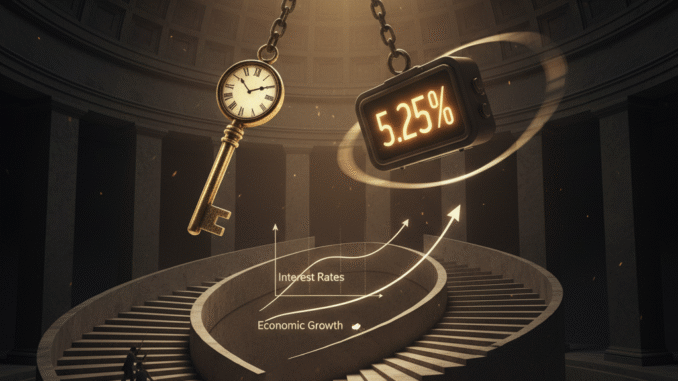
A Turning Point for Global Monetary Policy
The internet has been buzzing with one dominant theme lately — interest rates are finally turning. After a prolonged cycle of tightening, the Federal Reserve delivered another 25 basis-point rate cut, bringing the benchmark rate to 3.75% – 4.00%. While markets largely anticipated this move, what’s more interesting is the tone of the discussion online: cautious optimism mixed with an undercurrent of doubt.
The Fed’s decision wasn’t unanimous — one policymaker wanted a bigger cut, another wanted none. That split signals what the internet chatter reflects: monetary uncertainty is back.
Inflation Is Easing, But Not Gone
According to Investopedia, inflation data came in lower than expected, keeping the Fed “on track” for more easing. But at around 3% year-on-year, it’s still above the 2% target — meaning victory against inflation isn’t secured.
Reuters reports that some Fed officials, like John Williams, are leaning toward further cuts to support a softening labor market. Yet others are warning that cutting too aggressively could reignite inflationary pressures.
Across finance forums and X (Twitter), retail and professional investors alike are asking: “Are we heading for stability — or another round of boom and bust?”
Global Context: Diverging Paths
Outside the U.S., central banks are taking mixed approaches. Some, like the European Central Bank, remain cautious. Others in emerging markets are already cutting rates to revive growth.
For Singapore and the region, the U.S. dollar path remains key. As U.S. rates drift lower, Asian currencies could strengthen modestly, improving regional borrowing conditions. But this also depends on how inflation and capital flows evolve across Asia.
What This Means for Investors
- Refinancing Tailwinds
Lower rates could bring relief for mortgage holders and business borrowers — a welcome reprieve for those managing large property or business loans. But spreads remain sticky; not every lender passes on cuts immediately. - Bond Market Opportunities
Fixed-income investors are watching closely. Falling rates mean potential price gains for existing bonds, but timing matters — the Fed’s split views suggest volatility ahead. - Risk Assets Back in Focus
Equities generally thrive when rates fall, but with inflation still above target, investors should resist the urge to over-leverage. The “lower rates = easy gains” era is gone. - Global Diversification Matters
As rate paths diverge worldwide, a globally balanced portfolio helps buffer regional shocks. This is where wealth managers and planners can create real value.
The Finance World View
The online conversation points to a world at the start of a rate-cut cycle, but not yet a synchronized one. The Fed seems ready to ease further, perhaps one or two more cuts by end-2025, if inflation behaves.
But caution dominates the narrative — both in central-bank halls and across social-finance spaces. The message is clear: rates are falling, but uncertainty is rising.
For investors and financial planners, that means one thing:
Stay alert, stay diversified, and don’t mistake policy easing for market safety.
#FinanceWorld | Global Finance. Real Conversations.